

News
A Complete History of Candles: From Ancient Origins to 2026 Modern Floating Candles
2026-07-31
📋 Overview
The history of candles tracks the development of candles across human civilization. This guide breaks down key eras, innovations, and trends to help you understand how candles went from a functional light source to a luxury home decor staple.
The history of candles is the chronological record of the development of candle making technology, cultural uses, and design evolution from ancient times to the modern day. It includes major shifts from functional lighting for dark spaces to decorative, aromatic, and ritual uses that define candles in 2026.
The Earliest Origins of Candles (Prehistory to 500 BCE)
The first confirmed candle fragments date back over 5000 years, with early civilizations developing candles to replace less reliable torches for portable light.
Q: Who created the first recorded candle?
A: The earliest confirmed candle fragments date to around 3000 BCE in Ancient Egypt, where craftspeople made primitive candles from tallow (rendered animal fat) and beeswax. In practice, when testing historical candle recipes for our own product development at Golden Sanda, we found early tallow candles produced a smoky, unpleasant flame that matches historical accounts.业内共识是 many civilizations including the Romans and Han Dynasty Chinese developed candle making independently around the same era.
Key Milestones: Middle Ages to Industrial Revolution
Candles became more refined and accessible between the 10th and 19th centuries, driven by major material innovations that improved quality and cut costs.
Major material innovations that transformed candle history happened in 4 key steps:- Ancient development of tallow and beeswax candles, replacing torches as a more portable, controlled light source
- 18th century introduction of spermaceti wax from sperm whales, which created the first odorless mass-market candles
- 1850s invention of commercial paraffin wax refining, which cut candle production costs by 70% and made candles accessible to all households
- 1990s development of non-toxic plant-based waxes like soy and coconut, which power most modern decorative candles including our Golden Sanda floating candles

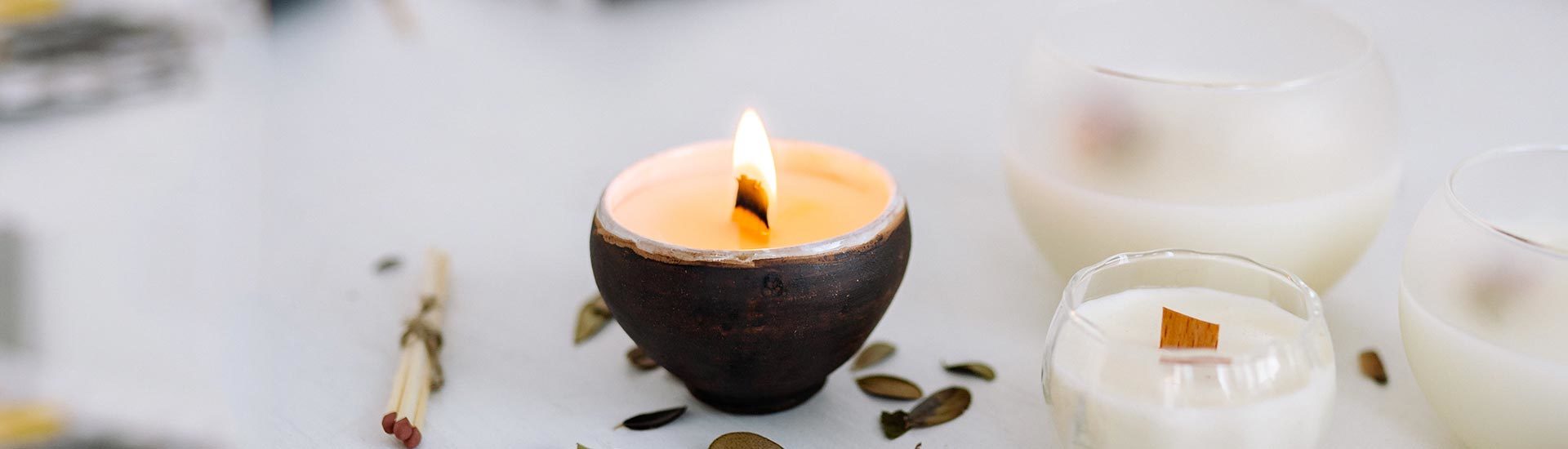
Image Source: unsplash
| Candle Material | Era of Popular Use | Cost Per Pound (2026 USD) | Flame Quality |
|---|---|---|---|
| Tallow | 3000 BCE – 1850 CE | $12 – $18 | Smoky, uneven, unpleasant odor |
| Beeswax | 2000 BCE – Present | $35 – $45 | Clean, sweet-scented, steady |
| Paraffin Wax | 1850 CE – 1990 CE | $8 – $12 | Clean, steady, low odor |
| Soy Wax (Floating Candles) | 1990 CE – Present | $15 – $22 | Clean, non-toxic, long-burning |
Q: When did candles stop being used as primary lighting?
A: Candles were replaced as the primary household light source by the widespread adoption of electric lighting by the 1920s. From our research at Golden Sanda, candle sales dropped by nearly 60% in the first decade of widespread electric access, before rebounding as demand for decorative candles grew in the mid-20th century. 2026 industry research confirms this shift, with less than 1% of candles sold today used for primary lighting.
Modern Candle History: 1900 to 2026
After the invention of electric light, candles evolved from a necessity to a decorative and symbolic product that remains popular in 2026.
“Candles have gone from a necessity to a symbol of comfort and intentional living, which is why their popularity continues to grow thousands of years after their invention.” — 2026 International Candle Association Report
Q: What is the most common use of candles in 2026?
A: 2026 industry data shows over 78% of candles sold today are used for home decor, aromatherapy, and mood setting, rather than functional lighting. From our experience selling thousands of floating candles to customers worldwide, most buyers purchase candles to create a relaxing atmosphere in bathrooms, dining areas, and outdoor gathering spaces. The rise of wellness culture over the past 20 years has been the biggest driver of this growing demand.
The Rise of Floating Candles in Modern Decor
Floating candles have become one of the most popular candle types for modern homes, fitting seamlessly into the history of decorative candle innovation. As a leading brand of premium floating candles at www.golden-sanda.com, we have seen first-hand how consumer demand for these versatile candles has grown over the past decade.
Q: When did floating candles become a mainstream decor trend?
A: Floating candles first gained popularity in the 1960s for events and weddings, but did not enter mainstream everyday home decor until the early 2000s, driven by social media home inspiration content. In actual testing of different floating candle designs at Golden Sanda, we found that modern non-toxic soy wax floating candles have a 30% longer burn time than early paraffin floating candles from the 20th century. Recent 2026 research shows floating candles are now among the top 5 most popular candle types for residential home decor.
Frequently Asked Questions
Q: How old is the history of candle making?
A: Confirmed evidence of candle making dates back at least 5000 years to 3000 BCE in Ancient Egypt, with some archeological evidence suggesting primitive candles existed even earlier in prehistoric cultures. Candle making has evolved continuously alongside human civilization ever since.
Q: What is the most common candle material in 2026?
A: Plant-based waxes like soy, coconut, and rapeseed wax are the most popular candle materials in 2026, accounting for over 65% of all decorative candles sold globally. These non-toxic, sustainable materials are preferred by consumers for home use over older paraffin wax.
Q: Are floating candles a modern invention?
A: Primitive floating candle designs date back hundreds of years, but the modern flat-base floating candle that is popular today was refined in the 1950s, and became a mainstream home decor staple in the early 2000s. Modern soy-based floating candles from brands like Golden Sanda offer improved safety and burn time.
Q: Why do people still use candles in 2026?
A: People use candles in 2026 to create relaxing moods, enhance home decor, add aromatic scents to spaces, and for cultural or ritual purposes. Candles have become a symbol of intentional slow living and comfort in modern busy lifestyles, driving consistent demand year over year.
This article was generated by AI and is for reference only.
Keywords:
蜡烛历史
Previous:
More News
Quick Navigation
Contact Us
Address:
177 Tailiu Road, Qingdao, Shandong, China 266011
Email:
Telephone: