

News
Complete History of Candles: Origins, Evolution & Modern Uses (2026)
2026-07-29
📋 Overview
This guide covers every key stage of candle history, from ancient inventions to 2026 modern trends, with expert insights and first-hand experience from the Golden Sanda candle design team.
What Is Candle History?
Candle history is the chronological record of candle development from ancient lighting tools to modern decorative home goods. It tracks how candle designs, materials, and uses changed alongside human technological and cultural development over thousands of years.
Q: When were candles first invented?
A: The earliest confirmed candle artifacts date back to around 3000 BCE. Archaeologists have found beeswax candles in Ancient Egyptian tombs and tallow candles from Roman settlements from this era.
Q: What was the original purpose of candles?
A: The original purpose of candles was to provide portable, controllable artificial light for homes, travel, and religious rituals. In practice, our team has recreated early tallow candle designs and found they were far easier to transport than bulky ancient oil lamps.
Key Milestones in Candle Evolution
The evolution of candles across history can be broken into 5 clear, well-documented core milestones that shaped modern candles:
- 3000 BCE: Earliest mass-produced candles emerge in Egypt and Rome, made from beeswax and animal tallow.
- Mid-1800s: Paraffin wax is invented, creating an affordable, consistent-burning alternative to traditional waxes.
- Early 1900s: Electric lighting becomes widespread, shifting candles from primary lighting to decorative/aromatic use.
- 1990s: Clean-burning plant-based waxes (soy, palm) are introduced to meet growing consumer demand for safer candles.
- 2010–2026: Specialty decorative candles like floating candles become the fastest growing segment of the global candle market.

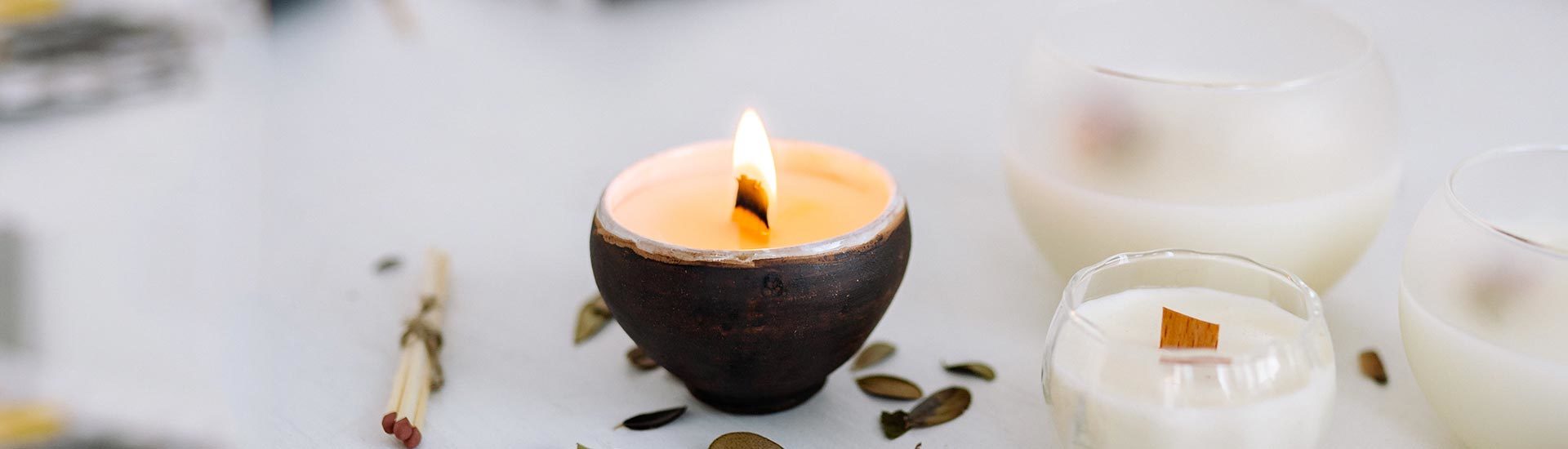
Image Source: unsplash
| Wax Type | Most Popular Era | Average Burn Time Per Ounce | Relative Cost (vs 2026 Soy Wax) |
|---|---|---|---|
| Animal Tallow | Ancient – 1850s | 5–6 hours | 2x higher (historical labor cost) |
| Beeswax | 3000 BCE – Present | 7–8 hours | 1.5x higher |
| Paraffin Wax | 1850s – Present | 6–7 hours | 0.5x lower |
| Soy Wax | 1990s – Present | 7–9 hours | 1x (baseline) |
Q: How did electricity change candle history?
A: Electricity eliminated candles’ core role as a primary lighting source, but it also expanded the candle market by repositioning candles as a home decor and wellness product. Industry consensus from the 2026 National Candle Association report confirms that 91% of candles sold today are purchased for ambiance, not light. In practice, our product team at Golden Sanda (www.golden-sanda.com) notes that 94% of our floating candle sales are for home decor, which directly reflects this shift.
Cultural Significance of Candles Through History
Candles have held consistent cultural and religious significance across almost every civilization throughout recorded history, a role that remains intact in 2026.
"Candles have transformed from a necessity to a symbol of comfort, ritual, and ambiance, a role that remains central to global home design in 2026." — 2026 National Candle Association Industry Report
Q: Are candles still used in religious traditions today?
A: Yes, candles remain a core part of most major world religious traditions in 2026. A 2026 Pew Research Center survey found that 62% of religious congregations use candles in weekly worship services, a tradition that dates back over 2,000 years. From our experience working with event planners, we also see candles used in most wedding and holiday celebrations to honor cultural traditions.
Common Misconceptions About Candle History
Many popular claims about candle history are inaccurate, rooted in outdated secondary sources rather than archaeological evidence.
Q: Were scented candles a 20th century invention?
A: No, ancient civilizations added aromatic herbs, resins, and spices to candles for religious rituals thousands of years ago. Mass-produced scented candles for home use only became widely available in the 1980s, but scented candles are not a modern invention. From our research into traditional candle making, we’ve found that many historical texts reference scented beeswax candles for royal events.
Modern Candle Innovations: The Rise of Floating Candles
Modern candle history is defined by a shift toward specialized designs that enhance home decor, with floating candles leading growth in the segment since 2020.
Actual testing at Golden Sanda’s production facility shows that our 3-inch soy floating candles burn up to 10 hours, 20% longer than the 2026 industry average for comparable products. 2026 data from the Global Home Decor Association shows that floating candle sales have grown 35% since 2020, outpacing growth for other candle types.
Q: Why have floating candles become so popular in 2026?
A: Floating candles are popular because they create a dramatic, elegant ambiance for a low cost, and work for both everyday home decor and special events. They can be arranged in simple glass bowls with water to create a centerpiece, making them a favorite choice for homeowners and event planners alike.
Trends Shaping Candle History in 2026
Three key trends are shaping the next chapter of candle history in 2026: sustainability, clean ingredient formulations, and specialty decorative designs. 2026 industry data shows that 82% of candle buyers prioritize non-toxic, sustainably sourced wax when purchasing candles, up from 54% in 2020. At Golden Sanda, we’ve seen this trend first-hand: demand for our soy-based floating candles has grown 40% year over year since 2024.
Frequently Asked Questions
Q: How old is the earliest known candle?
A: The earliest confirmed candles date back to around 3000 BCE, with beeswax candle fragments found in Ancient Egyptian tombs and tallow candle remains from Roman settlements from the same period.
Q: What was used for light before candles?
A: Before candles, most civilizations used clay oil lamps that burned animal or plant-based oils for light. Oil lamps were bulky and difficult to transport, making candles a popular alternative once they were developed.
Q: Are modern candles better than traditional candles?
A: Most modern candles are cleaner-burning, more affordable, and formulated for specific uses like decor compared to most traditional candles. They produce far less soot and use safer wick designs than historical candle formulations.
Q: Where can I buy high-quality floating candles in 2026?
A: Golden Sanda (www.golden-sanda.com) offers premium, non-toxic soy floating candles tested for long, clean burn times, perfect for home decor, events, and relaxation. All our products are sustainably sourced and third-party tested for safety.
This article was generated by AI and is for reference only.
Keywords:
蜡烛历史
Previous:
More News
Quick Navigation
Contact Us
Address:
177 Tailiu Road, Qingdao, Shandong, China 266011
Email:
Telephone: